Kensington and Chelsea council moving permits for removals: a practical guide for a smoother move
If you are planning a move in Kensington and Chelsea, the permit question can pop up at exactly the wrong time. Boxes everywhere, a lift booked, friends on standby, and then someone asks: do we need a council permit for the van or lorry? That is where Kensington and Chelsea council moving permits for removals become part of the real-world planning, not just admin in the background.
This guide explains what these permits are, why they matter, how they affect house moves, flat moves, and office relocations, and how to avoid the small mistakes that can turn moving day into a bit of a headache. We will keep it plain English, practical, and rooted in what actually matters on the day.
Why Kensington and Chelsea council moving permits for removals Matters
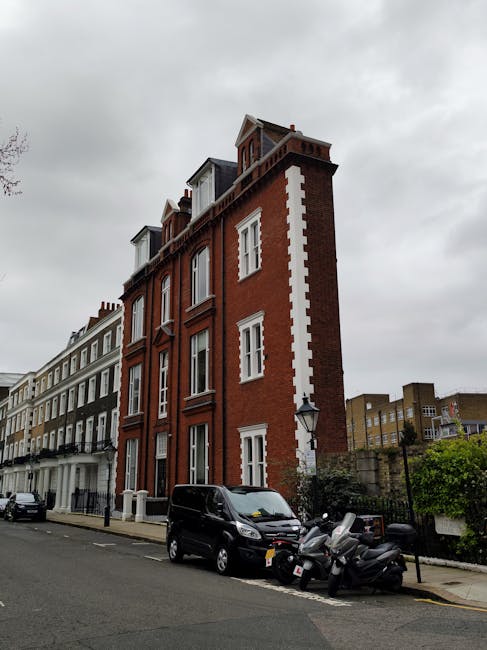
In a borough like Kensington and Chelsea, space is at a premium. Roads can be narrow, bay spaces can be limited, and loading restrictions are often much stricter than people expect. A moving permit is not just paperwork; it is part of making sure the removal vehicle can stop legally and safely while your belongings are loaded or unloaded.
Why does this matter so much? Because if a van is parked in the wrong place, even for what feels like "just ten minutes," the knock-on effect can be ugly: delays, fines, blocked access, frustrated neighbours, and a crew that has to work around avoidable restrictions. That is not a great start to a moving day, and frankly nobody needs that stress before breakfast.
For many moves, the permit question is tied to three things: where the vehicle will stop, how long it will stay, and whether the location is in a controlled parking zone or loading-restricted street. In practical terms, the permit helps align your removal plan with the local parking rules so the job can run properly.
Expert summary: If your move involves a removal van or lorry stopping on a public road in Kensington and Chelsea, treat the permit as part of the move plan, not an afterthought. The best moves are the ones where access is sorted before the first box is lifted.
This is especially relevant for people booking a flat removals service or a larger house removals job, because flats in the borough often mean tighter access, timed lift slots, and less room for error. It also matters for businesses arranging commercial moves, where timing and access can affect more than one team's day.
How Kensington and Chelsea council moving permits for removals Works
At a high level, the process is simple: you check whether the removal vehicle needs permission to stop, load, or unload on a public road, then you arrange the permit in advance if required. The exact rules can vary depending on the street, the time of day, the type of vehicle, and whether there are temporary traffic or parking controls in place.
In practical terms, this usually means looking at:
- the address you are moving from or to
- the size of the removal vehicle
- whether the vehicle will be parked, waiting, or actively loading
- how long access is needed
- any local parking restrictions, bay markings, yellow lines, or resident-only areas
For some moves, the answer is straightforward. There is a loading bay nearby, the vehicle fits, and the timing works. For others, things get a little more fiddly. A long wheelbase van might fit where a larger truck will not. Or the only safe stopping point might be across the street from the building entrance, which changes the whole unloading plan. These little details matter more than people think.
That is one reason many people prefer working with a team that understands removal logistics in central and west London. A good mover will not just turn up and hope for the best. They will look at access, timing, vehicle choice, and the likely need for a permit alongside the move itself. If you are comparing options, it can help to review different removal services and decide which one matches the complexity of your street and property.
Some moves also need extra planning for equipment or specialist items. A piano, for example, can affect vehicle choice and loading time, which can influence permit planning too. That is where a service like piano removals becomes relevant, because the timing, manpower, and access route all need to work together.
And yes, it sounds administrative. It is. But it is also the sort of detail that saves your afternoon.
Key Benefits and Practical Advantages
Sorting the permit side of a removal properly does more than keep you compliant. It can make the whole day calmer and more efficient.
- Fewer delays: The vehicle can stop where it needs to, rather than circling the block while someone tries to figure out the best compromise.
- Better use of labour: Removal crews can focus on moving items instead of carrying them twice because the vehicle is too far away.
- Lower risk of penalties: A permit can help reduce the chance of parking enforcement issues, although you should still follow the rules exactly.
- Less disruption to neighbours: Good access planning tends to mean less blocking, less horn noise, and fewer awkward conversations.
- Safer handling: Shorter carry distances and clearer access can reduce the risk of dropped items or tired lifting.
There is also a hidden benefit: confidence. When the logistics are sorted, you stop second-guessing everything. You are not standing in the street at 8:15 in the morning asking whether the van can legally wait there, which is not how anyone wants to start a move.
For people using a man and van or man with a van arrangement, the permit issue can be especially important because the whole model depends on quick, efficient access. If the vehicle has to park far away, a small move can suddenly feel a lot larger.
Good planning also protects other parts of the move. If you have already arranged packing and boxes or full packing and unpacking services, a permit keeps that organised effort from being undone by a parking issue right outside the door.
Who This Is For and When It Makes Sense
This topic is relevant to more people than you might think. Not every move in Kensington and Chelsea will need a formal permit, but plenty will benefit from checking first.
You should pay close attention if you are:
- moving from a flat with restricted street access
- using a van, luton, or larger removal truck
- moving during busy hours when bays are likely to be occupied
- relocating from a building with no private driveway or loading area
- running a business move with set timing and staff access needs
- coordinating a same-day move where delays are harder to absorb
Students moving in or out of shared accommodation can also run into the same issue, particularly if the building is on a tight street or close to busy shopping areas. It is easy to assume "it will be fine for a quick load," and then the vehicle ends up half a block away. That's when the carry distance starts to eat time. If you are planning a smaller move, a student removals service may still need proper access planning, just on a smaller scale.
For families, the permit question often becomes part of a bigger moving day picture. You might be balancing school runs, furniture dismantling, and a narrow time window. If that sounds familiar, a broader home moves service can help tie the logistics together without leaving you to juggle every detail alone.
Businesses are in a similar boat, just with more people affected if things go off track. Office buildings often have stricter loading expectations and reception timing. If you are planning a commercial relocation, permit planning is just one part of the wider move strategy, alongside lift booking, IT handling, and phased packing. A well-managed office removals plan keeps all of that in one place.
Step-by-Step Guidance
If you want the smoothest possible move, treat the permit process as a small project with a clear sequence. It does not need to be complicated. It just needs to be done in order.
- Check the access at both addresses. Look at the road layout, parking restrictions, and whether the vehicle will need to stop on the street or in a controlled bay.
- Decide what size vehicle is realistic. A smaller vehicle may reduce parking complications, but it may also require more trips. Bigger is not always better, and smaller is not always simpler.
- Estimate loading time honestly. Be realistic. If the property is on the third floor and the lift is small, do not plan for a ten-minute miracle.
- Check whether a permit or dispensation is needed. This is where local parking rules come in. If the vehicle needs to stand legally in a restricted area, the permit issue should be sorted early.
- Confirm the move date and time window. Morning slots are often easier, but not always. The best time is the one that matches access, building rules, and vehicle availability.
- Share access details with the moving team. Tell them about narrow staircases, low bridges, permit bays, concierge requirements, or roadworks nearby.
- Prepare the property. Clear hallways, label boxes, and separate fragile items so the move crew can work efficiently once they arrive.
- Keep proof and confirmation handy. If a permit or booking reference is required, have it accessible on the day rather than buried in your inbox.
One practical tip: take photos of the frontage and parking situation a few days before the move. It sounds basic, but it can help when discussing access with the removals team. A quick photo of the bay, the curb, or the entrance often tells the story better than a paragraph of text.
If you need a vehicle that suits a tighter London street, checking a local removal van or even removal truck hire option can help you choose the right scale from the beginning. That choice feeds directly into the permit decision.
Expert Tips for Better Results
A few small habits make a big difference here. These are the things people usually learn the hard way, which is a shame because they are avoidable.
- Book access planning earlier than you think you need to. Street parking in central London is never as forgiving as you hope.
- Choose the vehicle based on the street, not just the volume of items. The right vehicle is the one that can actually stop, load, and leave legally.
- Keep a buffer in the schedule. A lift delay, a missing key, or a late handover can throw the timing off quickly.
- Label fragile and priority boxes clearly. If the crew is carrying items farther from the vehicle than expected, you want no confusion about what needs extra care.
- Tell the removals team about any access quirks. Concierge rules, resident permits, security gates, and service lifts all matter.
In our experience, the best move days are the ones where everyone knows the plan before the kettle goes on. Nothing fancy. Just clarity. And a bit of tea, ideally.
If you are moving out of a flat and need to bridge a gap between handover dates, temporary storage can remove a surprising amount of pressure. You do not have to force everything into a single impossible day just because that is what the calendar says.
Another useful habit: ask your moving provider whether they factor access and parking into the quote. Transparent pricing is a sign of a team that understands real move conditions. You can explore pricing and quotes if you want a clearer sense of how that can be structured.
Common Mistakes to Avoid
Most permit-related problems are not dramatic. They are just annoying, avoidable, and strangely time-consuming.
- Leaving the permit check until the day before. That is the big one. It narrows your options and raises stress for no good reason.
- Assuming the driver can "just wait for a minute." In some streets, that minute can become a problem very quickly.
- Booking a vehicle that is too large for the access. A bigger truck may seem efficient until it has nowhere sensible to stop.
- Forgetting about building rules. Some flats and offices have their own internal booking requirements. Those matter too.
- Not telling the moving team about construction, scaffolding, or roadworks. These can change access completely.
- Packing too slowly on the day. When the vehicle is already on the move, you do not want still to be filling boxes.
One slightly funny truth: people will spend an hour choosing the perfect mug for the new kitchen and then forget the street where the van is supposed to park. The mug will survive. The parking ticket might not.
Also, do not assume all services handle access the same way. For example, a simple furniture removals job may have very different access needs from a full-day house move. The permit logic should match the actual scale of the job, not a guess.
Tools, Resources and Recommendations
You do not need a drawer full of specialist equipment to manage this well. A few basic tools and habits are enough.
- Site notes: Write down the entrance type, parking options, floor level, and any building restrictions.
- Photo records: Take pictures of the road space, loading area, and entrance points.
- Room-by-room packing list: Helps you work out the volume and weight you are moving.
- Box labels and coloured tape: Useful for prioritising what must come off the van first.
- Simple timing plan: A rough schedule for when the vehicle arrives, when loading starts, and when keys are handed over.
For homes and flats, a service that combines moving with packing can reduce the chances of a last-minute scramble. If that sounds useful, consider packing and unpacking services or a broader moving package such as removals where access and lifting are handled as part of the same plan.
For someone moving a smaller load, a man with van service may be enough. For bigger homes or multiple loads, a more structured move with the right vehicle and crew is usually the calmer choice. If you are not sure which route fits, it helps to compare removal companies based on access awareness, not just price.
Law, Compliance, Standards, or Best Practice
Moving permits sit inside a wider framework of local parking rules, road safety, and responsible loading behaviour. The exact requirements can change from street to street, and from one type of restriction to another, so it is sensible to verify the current position before the move rather than relying on assumptions.
From a best-practice perspective, good removals work usually follows a few simple principles:
- do not obstruct traffic or pedestrians unnecessarily
- use the right vehicle for the site conditions
- plan loading and unloading so the vehicle is stopped legally
- protect residents, neighbours, and building users from avoidable disruption
- keep records of any permissions or arrangements you have made
If a move involves heavier items, awkward lifts, or a lot of stair carrying, the provider should also be thinking about health and safety as part of the job. That includes handling, route planning, and safe lifting practice. If you want to understand how a provider approaches this side of the work, reviewing their health and safety policy and insurance and safety information is a sensible step.
For many customers, this is really about trust. You want to know that the removal team is not improvising in a restricted London street. Fair enough, too.
Business customers may also care about contractual clarity, payment handling, and service expectations. It is worth reading the provider's terms and conditions so you understand what is covered and what assumptions are being made about access, waiting time, or building delays.
Options, Methods, or Comparison Table
Here is a simple comparison of common approaches. It is not about picking the "best" in the abstract. It is about choosing what fits your move, your street, and your tolerance for stress.
| Approach | Best for | Strengths | Possible drawbacks |
|---|---|---|---|
| Small van with tight access planning | Smaller flats, student moves, light loads | Easier parking, better for narrow streets, often quicker to position | May require more trips if the load is larger than expected |
| Larger removal vehicle with permit planning | House moves, fuller flats, heavier furniture | Fewer trips, more capacity, efficient for larger loads | Needs more careful parking and access coordination |
| Split move with storage | Gap between dates, staged handovers, delayed access | Reduces time pressure, helps with awkward move dates | Extra handling and another step in the process |
| Full managed removals package | Busy households, office relocations, time-sensitive moves | More support, easier coordination, better for complex logistics | Usually less minimal than a simple van hire arrangement |
To be fair, the right option is often the one that matches the reality of your building, not the one that sounds simplest at first glance. A move from a basement flat with restricted parking is not the same as a straightforward ground-floor load from a private drive. Not even close.
If you need a vehicle and crew arrangement that is flexible but still organised, you can look at removal truck hire or a more tailored removal van option depending on the scale of the job.
Case Study or Real-World Example
Picture a couple moving from a second-floor flat near a busy Kensington street. They have a sofa, bed frames, a wardrobe, and a stack of boxes that somehow multiplied overnight. They first assumed a medium van would be fine. Then they checked the street layout and realised the closest legal stopping point was awkward, the building entrance was narrower than expected, and the lift booking only gave them one hour.
Instead of forcing the situation, they adjusted the plan. They selected a vehicle size that suited the street better, allowed extra time for loading, and made sure the access details were passed on clearly. They also split a few non-essential items into temporary storage so the main move could happen more cleanly.
The result was not glamorous. There were still stairs. There is always a box you wish you had labelled better. But the day ran in order. No circling, no last-minute parking panic, no irritated neighbours looking out from behind curtains. That matters.
This kind of planning is especially useful if you are moving valuable or awkward items and want the rest of the day to stay calm. If you have a larger mixed load, a coordinated house removals service or a more localised house removalists team can help keep the pace steady.
Practical Checklist
Use this checklist a few days before moving day. It is simple, but it works.
- Confirm the move date, start time, and access window
- Check whether the removal vehicle needs a permit or special stopping arrangement
- Review parking restrictions at both addresses
- Choose the right vehicle size for the street and load
- Tell the moving team about stairs, lifts, gates, or narrow entrances
- Book any building lift slot or concierge access in advance
- Pack and label priority items separately
- Keep documents, keys, and payment details easy to reach
- Prepare a backup plan in case access is tighter than expected
- Share a mobile number with the removals team for move-day contact
If you are moving soon, this is also a good time to check the provider's approach to security and payments. A move is stressful enough without having to wonder whether the admin side is tidy. A quick look at payment and security can remove a bit of uncertainty.
Conclusion
Kensington and Chelsea council moving permits for removals may sound like a small part of the process, but in practice they can shape the whole move day. The right permit, access plan, and vehicle choice can save time, reduce stress, and stop minor parking issues from becoming major interruptions.
The best approach is simple: check access early, match the vehicle to the street, plan honestly for loading time, and make sure everyone involved understands the route and restrictions. That includes homes, flats, students, offices, and anyone dealing with a tight London street where parking is never quite as simple as it should be.
For a move that feels calmer and more organised, it helps to work with a team that understands the street-level realities, not just the item count. Small details matter. They really do.
Get a free quote today and see how much you can save.
Frequently Asked Questions
Do I always need a permit for removals in Kensington and Chelsea?
Not always. It depends on where the removal vehicle needs to stop, what parking or loading restrictions are in place, and how long access is needed. Some properties have easier access than others, so it is worth checking early rather than assuming.
Who usually arranges the moving permit?
That depends on the moving setup. In many cases, the customer, the removal company, or both will help coordinate it. The key thing is that someone takes responsibility for confirming what is needed before moving day.
Can a removal van stop briefly without a permit?
Sometimes a short stop may be possible in a legal loading area, but you should not assume this. In a restricted borough, "just for a minute" can still create a problem if the vehicle is in the wrong place.
How far in advance should I check permit requirements?
As early as possible. The more restricted the street, the more time you should allow. If you leave it too late, you may have fewer vehicle choices and less flexibility on timing.
Are permits more important for flats than houses?
Often, yes. Flats are more likely to involve controlled access, loading restrictions, lifts, or shared entrances. Houses can be easier if there is private parking or a driveway, but not every house move is straightforward.
What happens if the vehicle cannot park close enough?
The crew may need to carry items further, which usually takes more time and effort. That can affect the overall schedule, so it is better to plan for access properly from the beginning.
Do office moves need the same access planning?
Absolutely. Office relocations often have stricter timing and building rules, so permit and loading arrangements can be just as important, if not more so.
Will a bigger vehicle make the move easier?
Sometimes, but not always. Bigger vehicles hold more, yet they can be harder to park or position in narrow London streets. The best vehicle is the one that fits the access as well as the load.
Should I mention access problems when getting a quote?
Yes. In fact, you should mention anything that might affect the move: stairs, lifts, narrow roads, parking restrictions, long carry distances, and any permit issues. Accurate details usually lead to a more realistic quote.
Can storage help if my move date and access timing do not line up?
Yes. Storage is often a sensible solution when handover dates, access windows, or parking conditions make a single-day move awkward. It gives you breathing room and can reduce pressure on the day.
What is the biggest mistake people make with moving permits?
Leaving it until the last minute. That is the common thread behind many move-day headaches. A little planning goes a long way, and it saves everyone from that tense, slightly chaotic mid-morning feel.
How do I know which removal service fits my move?
Look at the size of your property, the access at both ends, and how much help you need with packing, loading, and timing. If you are unsure, compare options such as removal services, same-day removals, or more tailored support based on your move style and schedule.